
Getting your 8 string ukulele ready to play is a delightful journey, as it’s all about finding that lovely, rich sound you crave from your ukulele strings.
With an 8 string model, the arrangement adds a bit of complexity that makes it interesting.
You’ll want to try out some different tuning techniques, whether you prefer using a tuner for pinpoint pitch adjustment or if you naturally pick up the notes by ear.
So, let’s dive into the steps for tuning your instrument effectively, including techniques for adjusting the pitch of your 8-string ukulele strings and selecting the right string gauge!.
Understanding 8string Ukulele Tuning Basics
Getting comfortable with tuning an 8-string ukulele can actually be quite enjoyable. Many players swear by using a chromatic tuner, which ensures each string hits just the right note.
Typically, these instruments are tuned to GCEA, but don’t shy away from experimenting with open tuning to find unique sounds.
As you work your way along the fretboard, you’ll notice how slight tweaks can drastically change your music.
And if you’re replacing strings, give them some time to stretch before you fine-tune. Once you embrace this process, you’ll unlock the rich harmonics that give the 8-string its distinctive voice. It’s all about practice, using your chromatic tuner to master the ukulele chords and familiarize yourself with the open tuning on the fretboard, while also keeping in mind the importance of string replacement when necessary.
Essential Tuning Techniques For Beginners
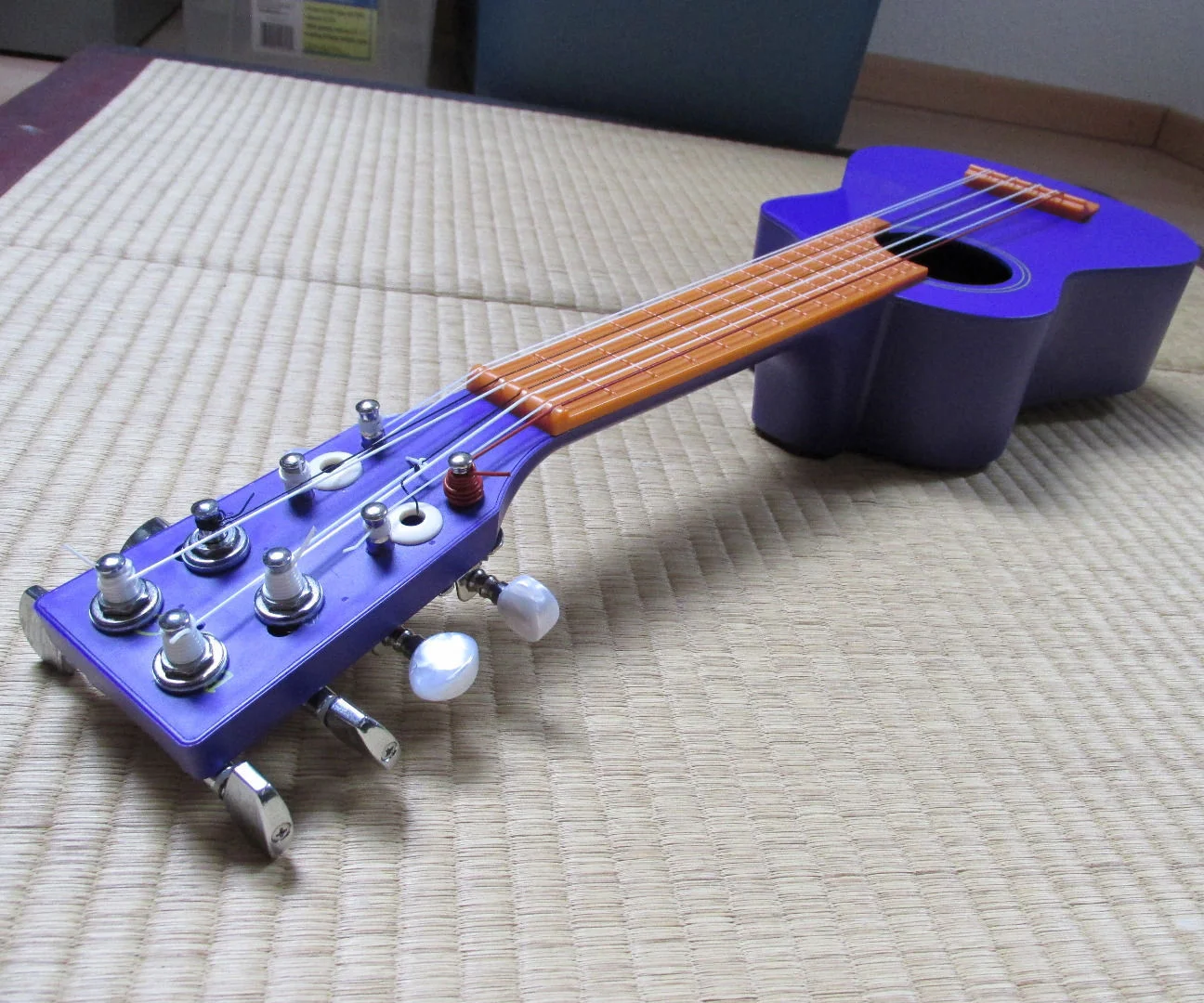
Getting your ukulele to sound just right can be a fun journey! Familiarizing yourself with your acoustic instrument can really elevate your playing experience. There are different types, like soprano, concert, and tenor, each with their own unique musical notes and tuning preferences that can make a noticeable difference in your sound.
It’s really important to learn the names of your ukulele’s strings.
The standard tuning follows G-C-E-A, giving you that classic, recognizable sound.
Tuning by pitch using your ear can also be a rewarding skill to develop over time. Regular maintenance is key—keeping your strings and instrument in good shape will help maintain a stable pitch and ensure that your musical notes resonate beautifully in standard tuning.
Ukulele Playing
- Different ukulele types (soprano, concert, tenor) each offer unique sounds and tuning preferences.
- The standard tuning for ukuleles is G-C-E-A, which is essential for achieving the classic sound.
- Tuning by ear enhances musical skills and helps develop a better understanding of pitch.
- Regular maintenance of strings and the instrument is crucial for maintaining sound quality and pitch stability.
How To Use A Chromatic Tuner
Tuning your ukulele can be a breeze with the right tools to help you along the way. A quality tuner can effortlessly detect pitches across the musical scale, ensuring each note sounds just right.
Whether you choose a clip-on device or a handy app, adjusting your strings becomes a smooth process.
To get started, make sure your tuner is positioned close to the instrument’s body.
This helps it gauge string tension accurately, giving you the best results. Once you’re set up, select a tuning mode.
Standard tuning is perfect if you’re just starting out, while experimenting with alternate options can lead to some exciting harmonic tuning opportunities. When it comes to tuning your ukulele, understanding the scale, harmonic tuning, string tension, capo usage, and tuning pegs will enhance your musical experience and ensure that you produce refined and resonant tones.
Exploring Open Tuning For Versatility
Have you ever wondered how a fresh approach to tuning might unleash a whole new side to your music? It’s fascinating how altering just a few strings can lead to an exciting array of sounds and chord structures, transforming your playing experience. This isn’t merely about getting the notes right; it’s all about the depth and character each chord can deliver.
Using a guitar tuner can smoothly guide you toward that sweet spot of pitch perfection while you explore.
Open Tuning Explained
Open tuning takes your ukulele strings and adjusts them to form a specific chord when played without pressing down the frets.
This creative technique invites you to discover unique sounds, enhancing your musical expression and sparking your creativity.
Benefits for 8-String Ukulele Players include the use of a guitar tuner for precise pitch, proper care techniques, the advantage of a tuning fork for accurate tuning, and tuning apps that simplify the process, as well as effective stringing methods to maintain optimal sound quality.
Open Tuning
- Open tuning allows for unique chord voicings without pressing frets.
- Using a guitar tuner ensures precise pitch for optimal sound quality.
- Tuning apps and forks can simplify the tuning process for musicians.
- Exploring open tuning can enhance musical creativity and expression.
String Gauge Influence On Sound Quality
Choosing the right strings for your ukulele can have a remarkable impact on how your instrument sounds and feels. If you prefer a sound that’s rich and warm, thicker strings might be your go-to.
Conversely, opting for thinner strings can brighten your tone while enhancing your playability.
When you’re in the tuning process, the selected gauge plays a role in achieving accurate intonation across the fretboard.
Don’t be afraid to delve into various types of strings, as each has a character of its own, allowing you to find the perfect match for your unique playing style and musical tastes. After all, the sweetest sound is the one that resonates with you and fits your personal journey with the ukulele
Tips For Effective String Replacement
Tuning up your favorite instrument can breathe new life into your music-making experience. When it comes to your ukulele, string replacement isn’t just about swapping out old for new; it’s a chance to enhance your playability and sound profile.
Understand Your Ukulele Type:
Take a moment to think about how many strings you have in your setup.
Each variant, whether it’s soprano, concert, tenor, or baritone, tends to require specific string specifications. Explore the setup of your instrument, selecting the appropriate keys and nylon strings, while considering string winding techniques that enhance playability.
Ukulele String Replacement
- Changing strings can significantly improve sound quality and tonal clarity.
- Different ukulele types require different string gauges and materials for optimal performance.
- Regular string replacement can enhance playability, making it easier to fret notes and chords.
- Understanding string winding techniques can further improve the instrument’s responsiveness and sustain.
Harmonizing Musical Notes On Your Ukulele
Delving into harmonious melodies can truly transform the experience of playing. Let’s explore what harmony means in a musical context.
It involves blending notes to craft a fuller sound, and intervals are at the heart of this.
Picture a major third interval; it brings a lovely brightness to your chords.
With a bit of practice, you’ll find yourself effortlessly engaging with your instrument tuning.
When you’re ready to enhance your sound, consider experimenting with chord diagrams. They bring a fresh perspective to the same old chords, adding depth without losing their core identity.
Throw in some counter melodies, and you’ll find it’s like adding a dash of spice to your favorite dish; it just elevates everything. Keep it simple if you’re just starting out.
Begin with a straightforward melody and gradually weave in harmonies. Experimenting with instrument tuning, tuning guides, chord diagrams, pitch pipes, and alternate tunings can greatly enhance your musical experience.
Maintaining Tuning Stability Over Time
Keeping your instrument sounding its best is all about being mindful of a few key factors. Temperature and humidity can really affect how your ukulele performs, so it’s wise to pay attention to those elements.
When conditions shift, you might notice your strings losing a bit of tension, which can change your sound.
Investing in quality strings is another smart move; they can make a noticeable difference in your overall performance.
Make it a habit to check your tuning before each session.
Proper storage is also helpful—finding a stable environment for your ukulele goes a long way. Over time, as you immerse yourself in playing, tuning will feel like second nature, just like how a bit of music theory can enhance your understanding of the notes you play. If you run into any typical tuning problems, consider consulting a luthier who can provide expert advice on music theory, performance nuances, and the best accessories to enhance your instrument’s sound.
Ukulele Maintenance
- Temperature and humidity can significantly affect string tension and sound quality.
- Using high-quality strings can enhance the overall performance of your ukulele.
- Regularly checking tuning before each session helps maintain sound consistency.
- Proper storage in a stable environment prolongs the life and quality of your instrument.
Conclusion
Wrapping up your journey with the 8-string ukulele feels like the perfect moment to reflect on all the music you’ve made. Getting the tuning right can transform your strumming into something truly enchanting, bringing out that delightful resonance that makes your tunes sing.
It’s important to note that achieving solid tuning stability doesn’t just happen; it’s a process that involves care and attention.
Keeping an eye on string tension can save you from common pitfalls that might disrupt your playing experience.
If your sound ever feels off, a simple check of your tuning pegs can do wonders—just make sure everything is snug and secure. So, take a moment, enjoy the music you’ve crafted, and embrace the joy of making this beautiful instrument your own while fine-tuning the tone adjustment, strumming with precision, perfecting the eighth string tuning, and savoring the rich resonance and tuning stability that accompanies your creativity.
Originally posted 2024-11-27 09:59:53.